Bird's Nest 101
How to judge bird's nest — including nest you might buy from someone else.
Expansion
Good dried nest expands 6–8× its dry volume once soaked. Less than that often means it's been compressed or mixed with fillers.
Cleanliness
Very few fine feathers, and no debris. A little picking is normal; a lot is a sign of poor processing.
Natural colour
A natural ivory-to-beige colour with slight unevenness. Uniform bright white can be a sign of bleaching.
Texture
Fine, smooth strands with a clean break when pulled apart — not gummy, and not powdery.
Cave nest vs. house nest
Cave nest 洞燕
Harvested from natural limestone caves, often at height and in low light. Harder to reach, lower in supply.
House nest 屋燕
Harvested from swiftlet houses built specifically to attract nesting swiftlets. Makes up most of what's sold commercially today.
Neither is inherently “better” — they differ in origin, colour, and supply. Pricing reflects harvesting difficulty and scarcity, not a difference in what the nest is.
The six forms
Cup 燕盏
The whole, unbroken nest in its natural cup shape — the form with the highest visual and gifting value, since the shape itself shows how little it's been handled.
Strip 燕条
Long, unbroken strands, usually from the sides of the cup — still substantially intact, just not in the full cup shape.
Corner 燕角
The denser corner pieces of the cup, where the swiftlet anchors the nest to the surface — thicker in texture than the rest of the cup.
Thread 燕丝
Fine, thin strands separated from the cup — delicate in texture, often used where a smoother finish is wanted.
Fragment 燕碎
Broken pieces from any of the forms above — same material, same origin, simply not in one piece. This is what “Fragmented” on this site refers to.
Cake 燕饼
Fragments re-compressed into a flat cake or disc shape — the most processed and economical form, made from smaller pieces that would otherwise be sold loose.
Where it comes from
Our own stock is sourced in Indonesia and packed in Singapore — one supply we actually know, rather than buying whatever is cheapest that month.
How much to use
3–9 g dry per serving
How to store it
Sealed, cool, dry. Protect from moisture and pests. 12 months from packing
How to prepare it
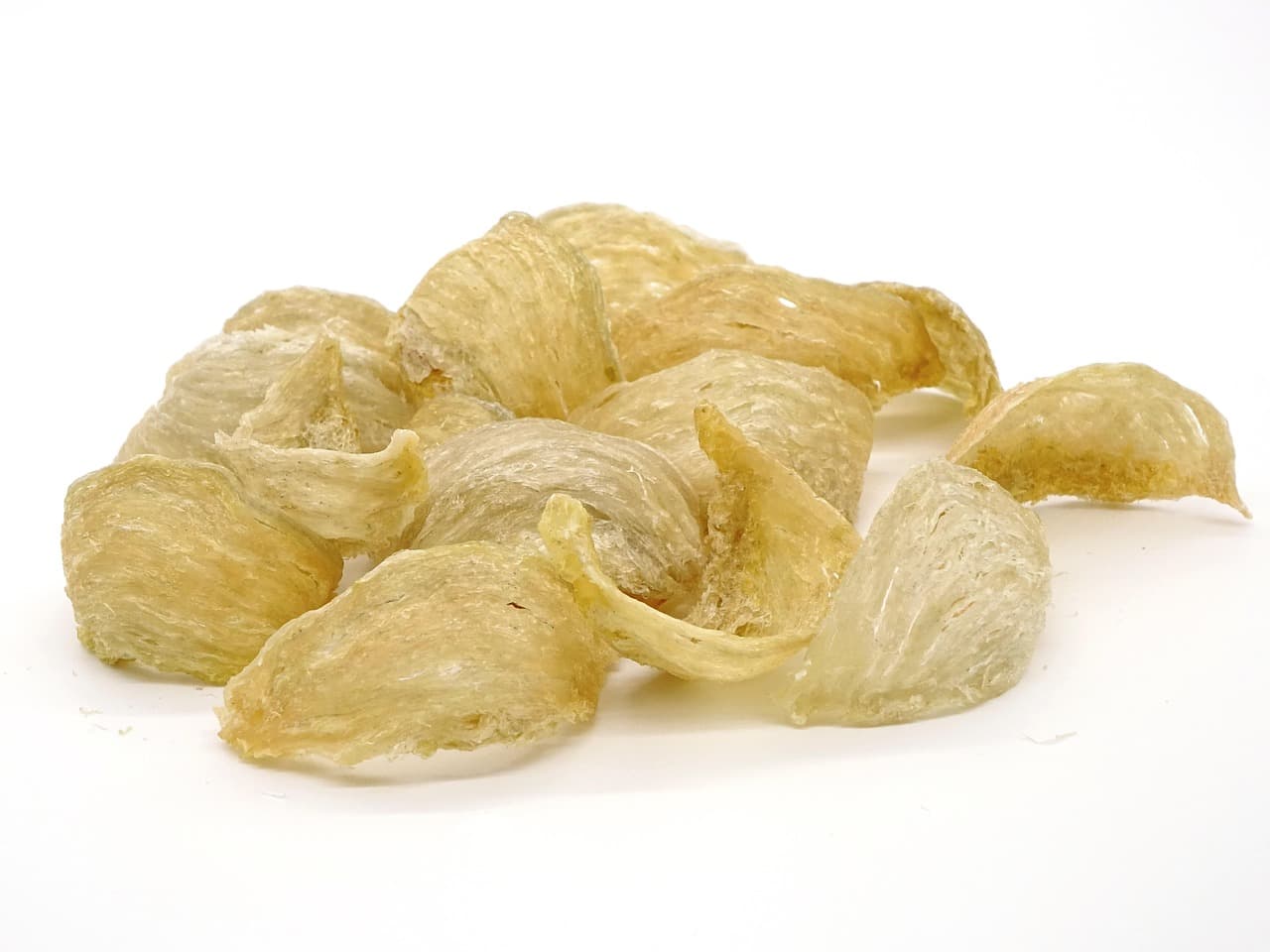
Soak 泡发
Soak 3–5 hours in room-temperature water — never hot, it damages the strands. Expands to 6–8× dry volume.
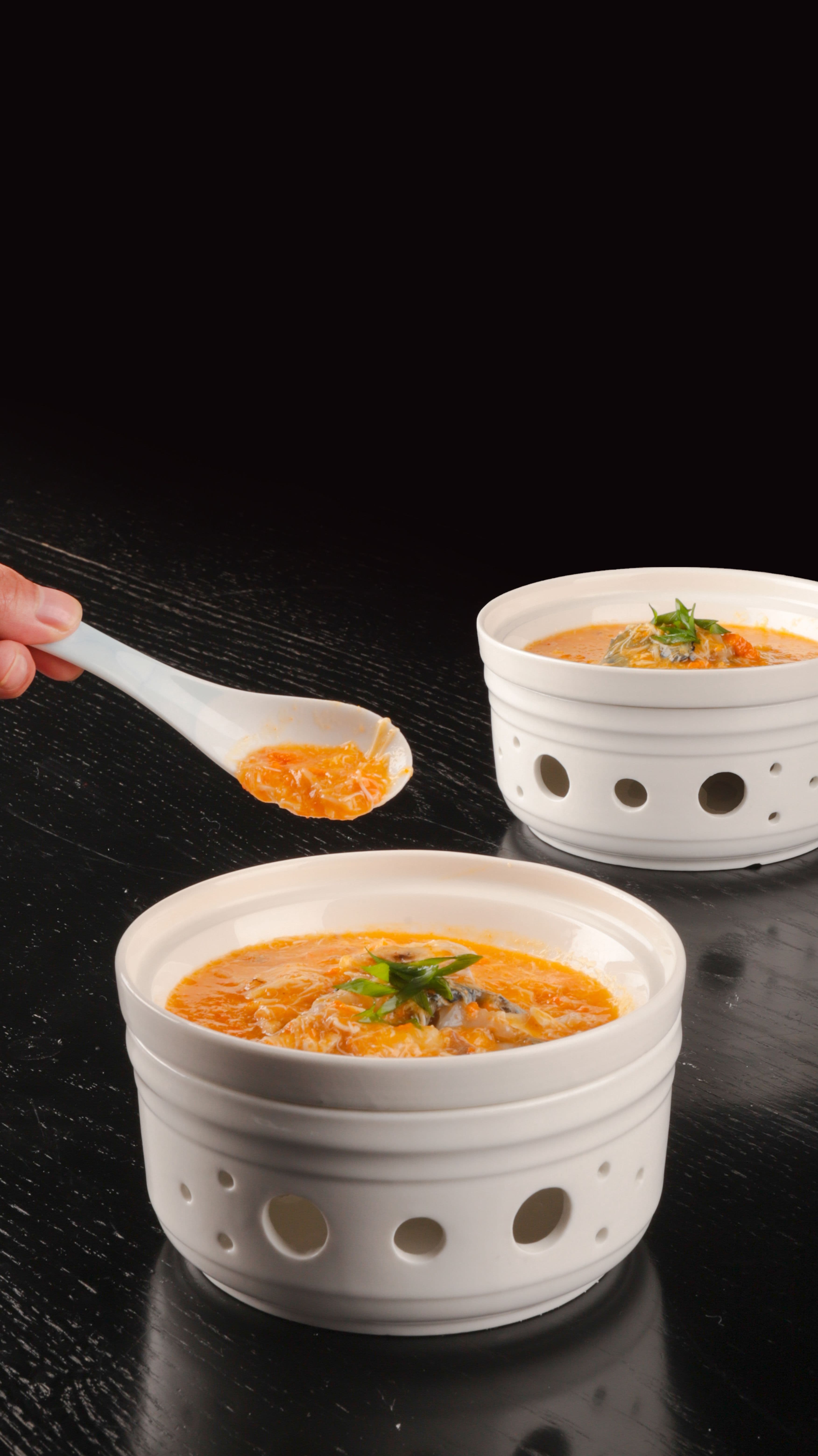
Rinse & pick 挑毛
Drain, rinse gently, and lift out fine feathers with tweezers. Good nest needs very little of this.
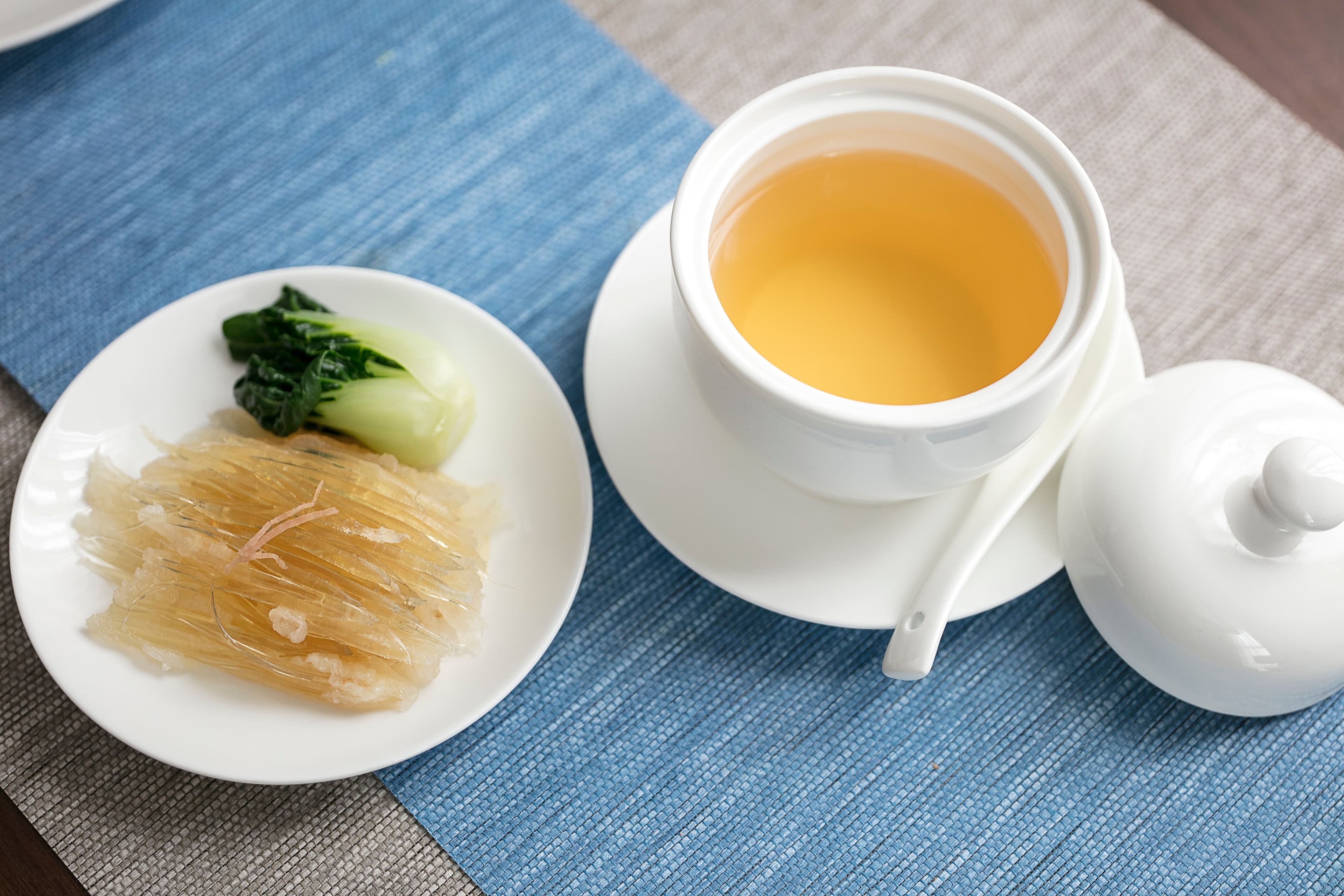
Double-boil 隔水炖
Ceramic or glass jar, ~150ml water, lid on, in a pot of simmering water for 30–45 minutes. Do not over-stew.
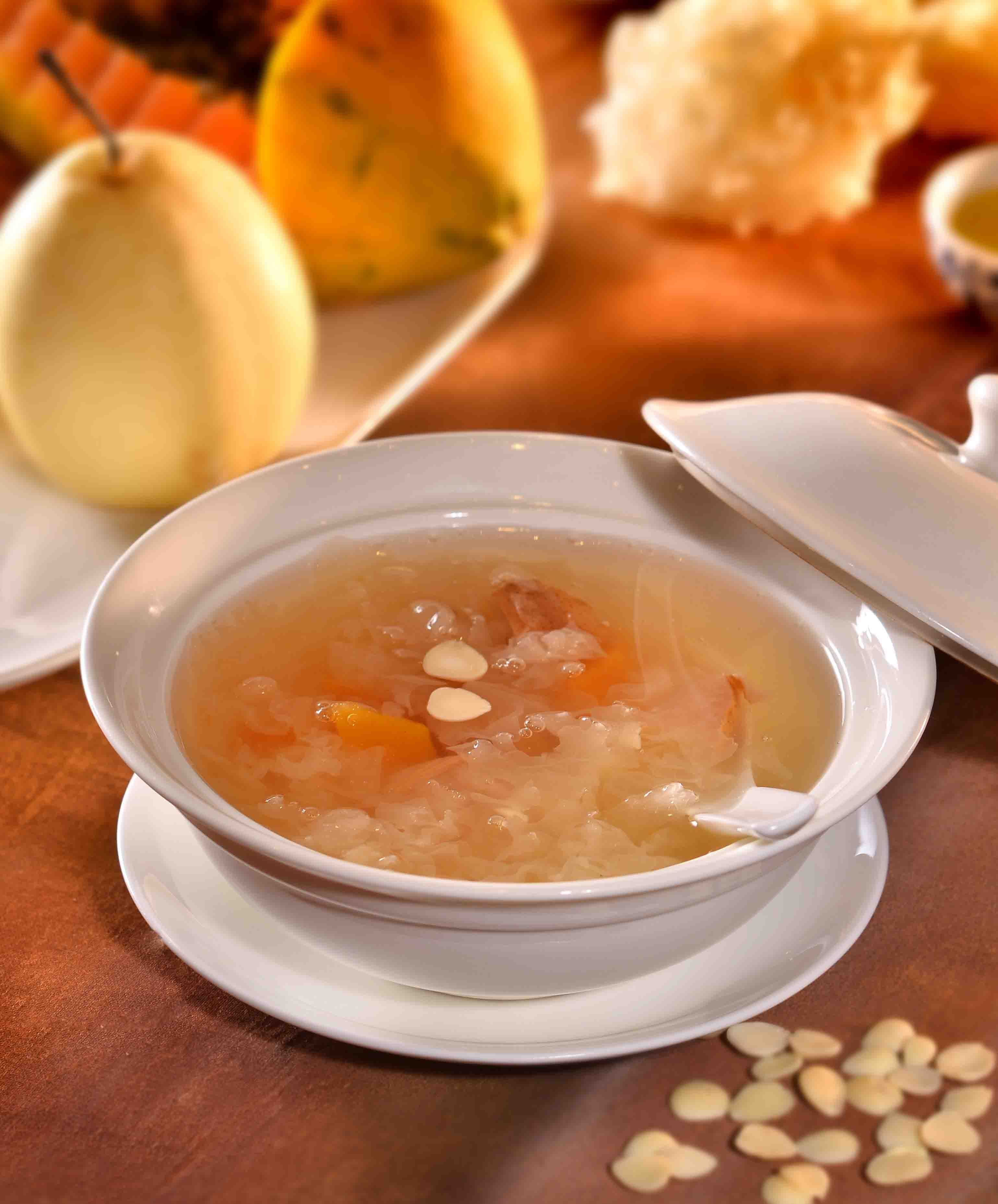
Sweeten & serve 调味
Add rock sugar in the last 5 minutes, to taste. Serve warm or chilled.
As traditional practice, bird's nest is not taken alongside heavily spiced or oily food.
See the full recipe